

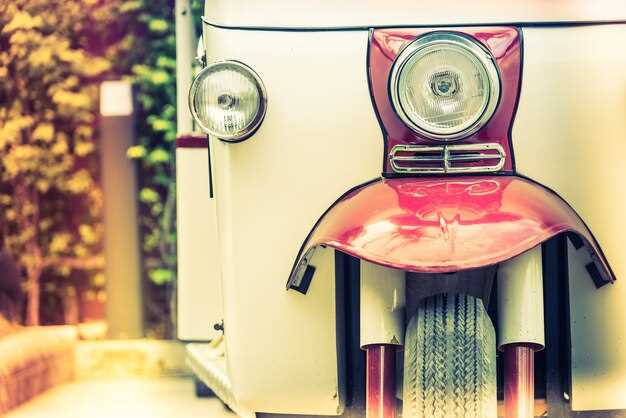
When it comes to automotive exhibitions, the spotlight is often on vintage cars that capture the essence of a bygone era. These classic vehicles tell stories of innovation, style, and craftsmanship. To ensure your vintage car stands out during the shows, proper preparation is essential. This process goes beyond mere cleaning; it encompasses every detail that contributes to the vehicle’s overall presentation and appeal.
The first step in your preparation should be a thorough inspection of your vintage car. Examine both the exterior and the interior for any signs of wear, rust, or damage. Addressing these issues not only enhances the car’s appearance but also ensures its longevity. Detailing the vehicle meticulously can make a significant difference in how it is perceived at the exhibition.
Additionally, consider the accessories and information that will accompany your car during the showcase. A well-prepared display can provide context and history, enriching the viewer’s experience. Engaging storytelling, combined with visual appeal, can create a lasting impression at the shows. By investing time and effort in preparation, you can elevate your vintage car’s presence and make it a cherished part of any exhibition.
Cleaning and Detailing: Steps to Achieve a Showroom Shine
Preparing your vintage car for an exhibition showcase begins with meticulous cleaning and detailing. A thorough clean not only enhances the vehicle’s appearance but also showcases the care taken to preserve its history.
Start by gathering all necessary supplies, including a high-quality car shampoo, microfiber towels, detailing brushes, wax, and tire cleaner. Ensure you are in a shaded area to prevent direct sunlight from drying products too quickly, which can lead to streaks.
Begin the process by rinsing the entire car to remove loose dirt and debris. Use a pressure washer if available, or a regular hose equipped with a spray nozzle. Once the initial rinse is complete, apply the shampoo solution, working from the top of the car down to avoid dragging dirt over clean areas. Utilize a microfiber wash mitt to gently scrub the surface, paying particular attention to crevices and hard-to-reach spots.
After washing, rinse the car thoroughly to remove any soap residue. It’s crucial to dry the car using clean, dry microfiber towels to prevent water spots. Focus on areas where water tends to accumulate, such as door handles and the trunk seam.
Next, move on to detailing the interior. Remove all floor mats and vacuum the seats, carpets, and compartments. Wipe surfaces with a gentle cleaner, ensuring to use soft brushes for detailed areas like air vents. Finishing with a protectant will provide a clean, new-like finish to the plastics and vinyl.
For the exterior, applying a high-quality wax can enhance shine and provide a protective layer against elements. Use an applicator pad to apply wax in small sections, allowing it to haze before buffing with a clean microfiber towel. The goal is to achieve a reflective finish that enhances the car’s aesthetics for the showcase.
Finally, don’t forget the wheels and tires. Clean wheels with a dedicated wheel cleaner to remove brake dust and grime. Afterward, treat the tires with a tire dressing for that glossy, showroom-ready look.
By following these detailed steps, your vintage car will not only look pristine but will also reflect the effort and passion behind its maintenance, making a compelling impression at the exhibition.
Mechanical Inspection: Ensuring Performance and Safety
When preparing your vintage car for an exhibition showcase, a thorough mechanical inspection is essential to ensure both performance and safety. This process involves evaluating various components that are crucial for the car’s functionality.
Start with the engine. Check for any unusual noises, leaks, or performance issues. It is vital to ensure that the engine runs smoothly to avoid any surprises during the showcase. Consider changing the oil and replacing the oil filter if necessary. Inspect belts and hoses for signs of wear and replace them as needed.
Next, assess the braking system. Vintage cars often have different braking mechanisms compared to modern vehicles. Inspect brake pads, rotors, and lines for any signs of deterioration. Testing the brakes can help confirm their effectiveness, ensuring both your safety and that of the audience during the event.
The suspension system is another critical area to review. Examine shocks, struts, and springs for wear and tear. Proper suspension is vital for handling and stability, especially when showcasing the car on various surfaces.
Don’t forget to evaluate the electrical system. Check the battery, wiring, and fuses. Ensure that all lights, indicators, and horns function properly. A well-maintained electrical system enhances both the driving experience and overall presentation.
Finally, conduct a comprehensive fluid check. Inspect coolant, transmission fluid, and brake fluid levels to ensure they meet appropriate standards. Flushing and replacing old fluids can significantly improve performance and longevity.
By prioritizing mechanical inspection during the preparation of your vintage car, you not only enhance its performance but also ensure safety for yourself and others. Taking these steps before your showcase will contribute to a successful and impressive presentation.
Display Setup: Creating an Eye-Catching Presentation
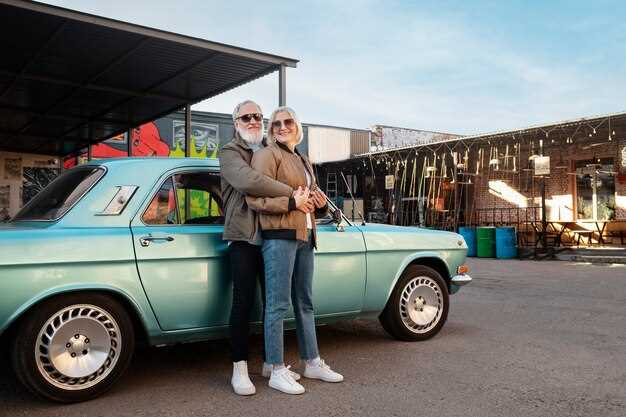
Preparation is key when setting up your vintage car for an exhibition showcase. Start by selecting a location that highlights the unique features of your vehicle. A clean, well-lit area helps draw attention and enhances the overall appeal of the presentation.
Consider the backdrop for your display. Using banners or posters that complement the car’s history and design can create a cohesive look. Choose colors that harmonize with the vehicle’s paint job while providing enough contrast to stand out.
Lighting plays a crucial role in display setup. Invest in adjustable spotlights to illuminate your vintage car effectively, ensuring that its curves and details are showcased prominently. Avoid harsh lighting that can create unwanted glare; instead, aim for soft, directional lights that enhance the car’s elegance.
Furniture and accessories should also be thoughtfully arranged. Place informative placards near the car that detail its history, specifications, and any unique features. This invites viewers to engage with the vehicle and learn more about it. Ensure that any seating or tables do not obstruct the view of the car.
Finally, consider creating a themed display that reflects the era of the vintage car. Integrating period-specific items, such as vintage suitcases or memorabilia, can enhance the storytelling aspect of the exhibit. This will not only draw more interest but also create a memorable experience for all visitors.