


Throughout the history of motorsports, the rules governing racing have undergone significant transformations, reflecting not only advancements in technology but also changing societal values and safety concerns. From the early days of informal competitions to the highly organized and regulated events of today, the evolution of these rules has been essential in shaping the competitive landscape of motorsports.
Initially, racing was characterized by a lack of standardized rules, allowing drivers to push their machines to the limits without constraints. However, as motorsports gained popularity and mainstream acceptance, the need for regulation became increasingly evident. Incidents on the racetrack highlighted the potential dangers, leading to the introduction of safety measures and organizational frameworks aimed at protecting both competitors and spectators.
As decades passed, the evolution of racing rules not only addressed safety but also incorporated technological advancements, environmental considerations, and the growing influence of commercial interests. This dynamic interplay among various factors has continuously reshaped the regulatory frameworks within which modern motorsports operate, fostering a competitive spirit that remains central to the essence of racing.
Impact of Technological Advances on Racing Regulations

The world of motorsports has continuously evolved, largely influenced by technological advancements. These innovations have not only enhanced performance but have also necessitated changes in racing rules to ensure fairness, safety, and sustainability.
Initially, racing rules primarily focused on vehicle specifications, safety requirements, and performance limits. As technology advanced, especially in the areas of aerodynamics, materials science, and electronics, regulatory bodies faced new challenges in maintaining competitive balance.
- Aerodynamics: The introduction of wind tunnel testing and computational fluid dynamics has led to significant improvements in vehicle designs. Regulations have been adapted to limit downforce and drag to ensure no single team can dominate through technical superiority alone.
- Engine Technology: Innovations in engine performance, including turbocharging and hybrid systems, have prompted organizations to restrict engine modifications and fuel types. This ensures a level playing field and promotes eco-friendly practices.
- Safety Enhancements: Advances in safety technology, such as automated crash detection and enhanced driver protection systems, have led to the implementation of stringent safety regulations. These measures aim to protect drivers in high-speed environments.
- Data Analysis: With the rise of telemetry, teams can gather vast amounts of data during races. Regulatory bodies have had to implement rules governing data usage to prevent teams from gaining excessive advantages through real-time feedback.
- Tire Technology: The development of specialized tire compounds has influenced racing strategies. Adjustments in rules regarding tire use and wear are crucial to maintain competition and prevent teams from having an overwhelming advantage through superior tire technology.
In summary, the impact of technological advances on racing regulations is profound. As motorsports continue to innovate, regulatory bodies must adapt to new technologies while ensuring that the spirit of competition remains intact. The balance between embracing innovation and preserving fair play is essential for the future of racing.
Changes in Safety Standards and Their Consequences
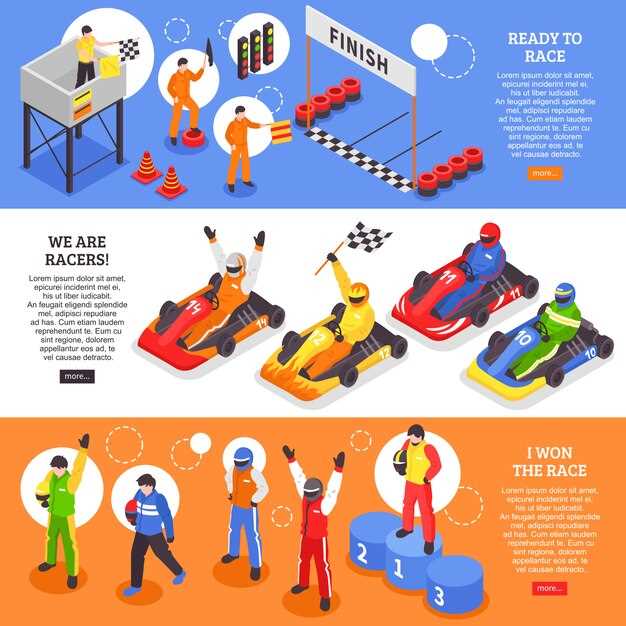
The evolution of safety standards in motorsports has profoundly influenced the way racing events are conducted. Over the decades, the implementation of stricter rules has been driven by the need to protect drivers and spectators alike. Initial safety measures were often minimal, focusing primarily on basic regulations regarding vehicle construction and driving attire. However, as the sport progressed, tragic incidents highlighted the urgent need for more comprehensive safety protocols.
In the 1970s, a turning point occurred with the introduction of mandatory seat belts and helmets designed for high-speed collisions. These early rules were foundational, significantly reducing the severity of injuries in accidents. The impact of these changes was evident; drivers began to report fewer serious injuries, which in turn encouraged more individuals to enter the sport.
As research into automotive safety advanced, the regulations evolved further. The late 1990s saw the introduction of the HANS (Head and Neck Support) device, dramatically lowering the risk of head and neck injuries during crashes. Racing organizations recognized the fatal consequences of accidents and adopted rules that mandated the use of this crucial safety equipment. The adoption of such devices became a game changer, directly correlating with a decrease in fatalities on the track.
Moreover, the development of car design standards focused on enhancing crash survivability. Innovations such as crumple zones, reinforced cockpits, and improved fuel cell technology have transformed vehicles into far safer machines. These adjustments not only protect drivers but also have ripple effects on the engineering and design philosophies in racing. Today, racing teams are required to comply with exacting standards, pushing the boundaries of automotive engineering and encouraging innovation in safety technology.
On the organizational front, the establishment of bodies like the FIA (Fédération Internationale de l’Automobile) has played a pivotal role in standardizing safety rules across various racing disciplines. Their comprehensive guidelines ensure that safety is prioritized globally, leading to a uniform approach to risk management in motorsports.
While the focus on safety has undeniably enhanced the racing experience, it has also prompted discussions about the balance between competition and safety regulations. Some purists argue that overly stringent rules can dampen the excitement that motorsports inherently provide. However, the statistics speak volumes, with a marked decline in racing-related fatalities showcasing the effectiveness of these regulations.
In conclusion, the evolution of safety standards in motorsports has had significant consequences, leading to a safer environment for drivers and spectators. By continuously adapting the rules to meet emerging safety challenges, motorsports can not only preserve its thrilling nature but also honor the lives of those who participate in the sport.
How Environmental Concerns Shape Motorsport Policies
In recent decades, environmental concerns have significantly influenced the formulation of motorsport rules and regulations. As awareness of climate change and pollution has risen, racing organizations have felt the pressure to adopt policies that promote sustainability and reduce the ecological footprint of motorsport activities. This shift is evident in several key areas, including vehicle technology, fuel consumption, and waste management.
One of the most notable changes is the increasing integration of hybrid and electric technologies in racing vehicles. Series like Formula E and the introduction of hybrid systems in traditional formats, such as Formula 1, reflect a commitment to innovation aimed at reducing emissions. These rules push teams and manufacturers to develop cleaner technologies, transitioning from purely combustion engines to more environmentally friendly alternatives.
Furthermore, the shift to sustainable fuels has become a pivotal aspect of racing regulations. Many governing bodies are promoting the use of biofuels and synthetic fuels to minimize the impact of traditional fossil fuels on the environment. This approach not only aligns with global environmental goals but also encourages research and development in alternative fuels, shaping the future of motorsport.
Racing circuits are also adapting to environmental pressures by implementing policies that focus on waste reduction and resource conservation. Initiatives such as recycling programs, energy-efficient facilities, and measures to protect local ecosystems are becoming standard practices. These changes demonstrate a commitment to not only enhancing the sustainability of motorsport but also improving the relationship between racing organizations and the communities they impact.
Ultimately, the evolving landscape of motorsport rules reflects a broader trend towards sustainability. As the racing world takes significant strides to address environmental issues, stakeholders must balance the thrill of competition with the responsibility of protecting the planet, ensuring that future generations can enjoy motorsport in a more sustainable context.